
Continents are Continuous Expanses of Land on Earth, conventionally Separated by Oceans.
PALACE-iConsulting.com
🌎Info Continents🌏
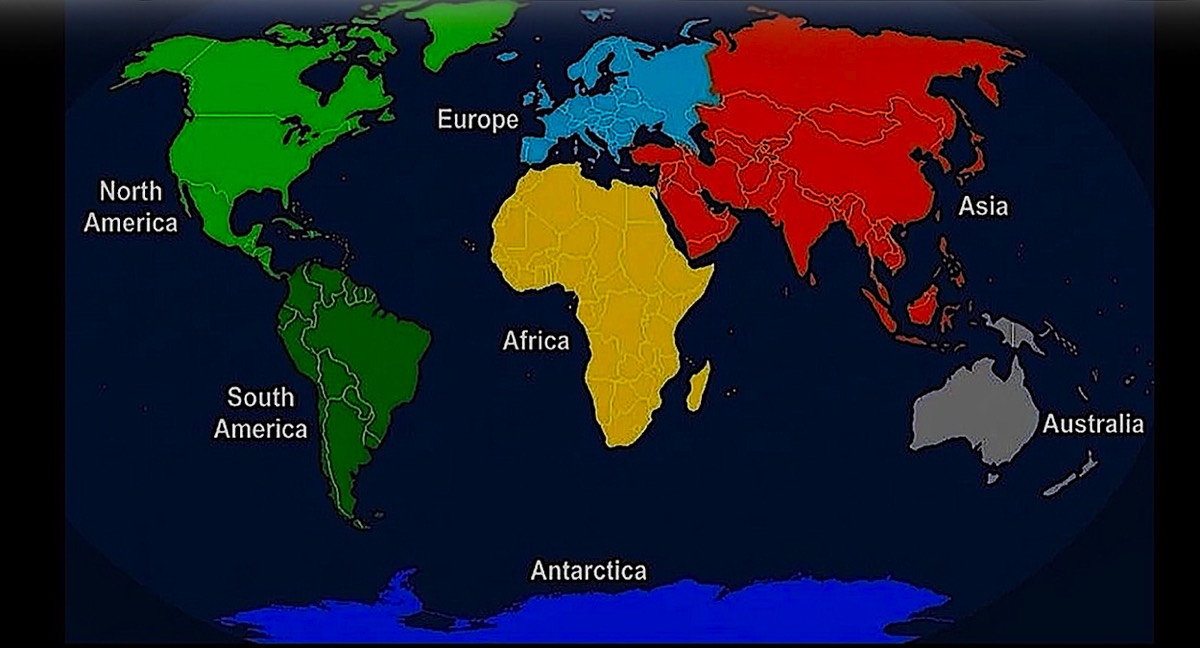
A Continent is any of several large terrestrial geographical regions. Continents are generally identified by convention rather than any strict criteria.
Wiki
💥Plate Tectonics💥
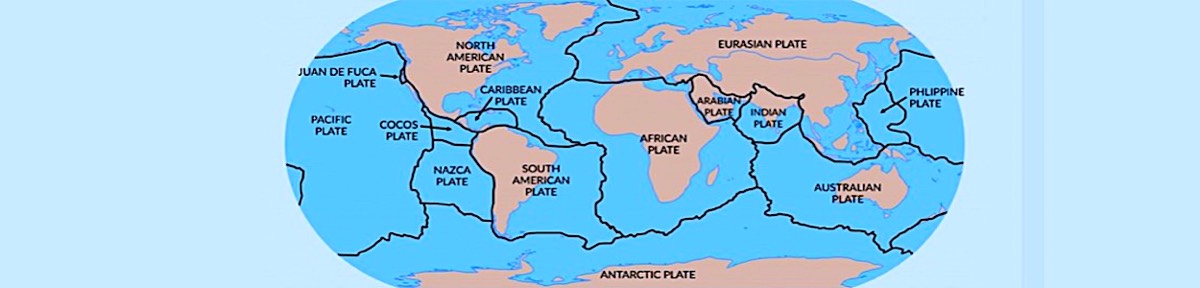
Earth has 7 major Plate Tectonic boundaries and 10 or so minor ones.
earthhow.com
⭐Info Pangaea⭐

Pangaea was the most recent supercontinent, existing roughly 335 to 175 million years ago. Derived from Greek words meaning "all lands", it formed when all of Earth's continents merged into a single, C-shaped landmass surrounded by a mega-ocean called Panthalassa
earthhow.com
🔥Ring of Fire🔥

The Ring of Fire is a 25,000-mile horseshoe-shaped region around the Pacific Ocean. It is the most seismically and volcanically active zone on Earth, home to about 75% of the world's active volcanoes and the site of 90% of all global earthquakes.
britannica.com
🌋Volcanos🌋
Volcanoes are geological formations where molten rock (magma), ash, and gases erupt onto the Earth's surface. These eruptions can create mountains, and the type of eruption depends on the magma's composition and gas content. Volcanoes are classified as active, dormant, or extinct, and are often found at tectonic plate boundaries or over mantle plume.
Wiki
Earthquakes
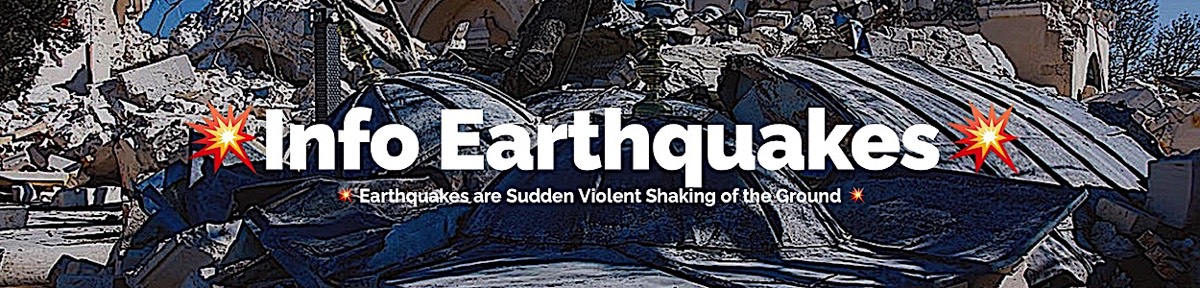
An earthquake is the sudden release of strain energy in the Earth’s crust, resulting in waves of shaking that radiate outwards from the earthquake source. When stresses in the crust exceed the strength of the rock, it breaks along lines of weakness, either a pre-existing or new fault plane. The point where an earthquake starts is termed the focus or hypocentre and may be many kilometres deep within the earth. The point at the surface directly above the focus is called the earthquake epicentre.
bgs.ac.uk
🏔Mountains🏔

Mountains are primarily formed by plate tectonics, where the movement of the Earth's massive lithospheric plates squeezes, cracks, or erupts material upward over millions of years. This large-scale process of mountain building is geologically known as orogeny.
britannica.com
⭐Info Geography⭐
Geography is defined as the study of Earth and the forces that shape it, both physical and human. More specifically, it is the study of Earth's landscapes, people, places, and environments.
PALACE-iConsulting.com
⭐Info International⭐
International means between or involving different countries.
It is facilitated by the Globalization Phenomenon, which increasingly erases the constraints
of geography on economic, social and cultural arrangements.
PALACE-iConsulting.com
Follow Us for the latest USA & International Information and News:

We assist individuals und corporations who desire to live, to invest and conduct business International, in the Dominican Republic, Florida and Switzerland.