
Global Warming is the long-term, human-driven rise in Earth's average surface temperature.
PALACE-iConsulting.com
🔥Info Global Warming🔥
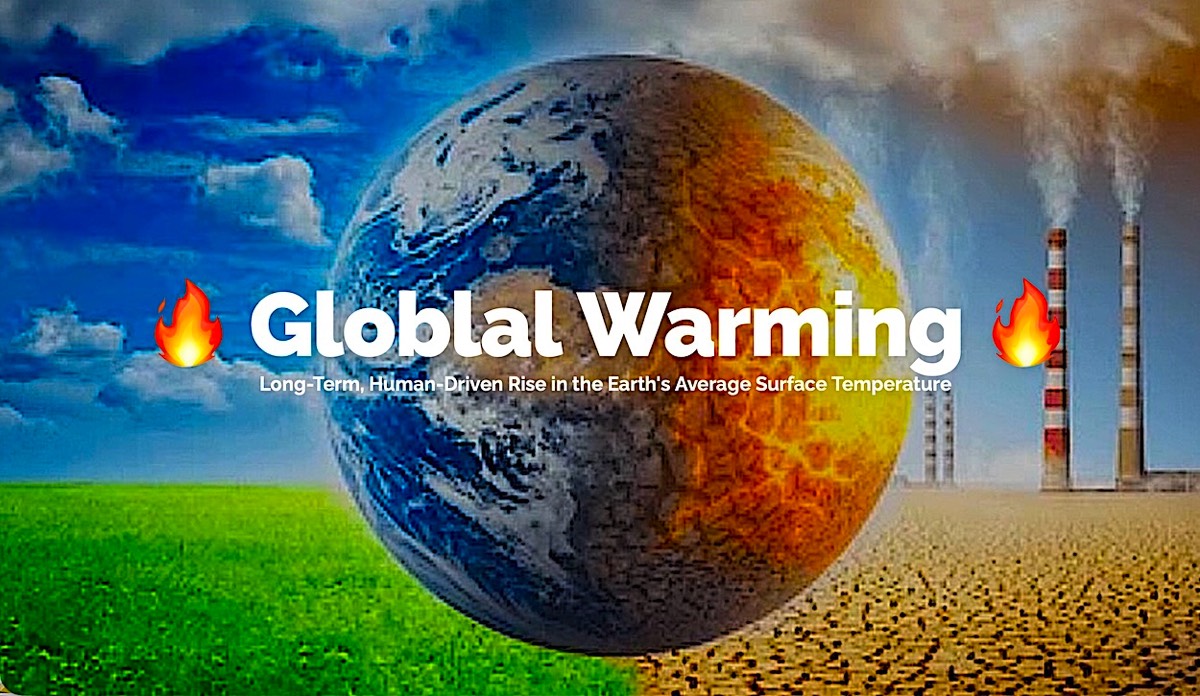
Global Warming: the phenomenon of increasing average air temperatures near the surface of Earth over the past one to two centuries. Climate scientists have since the mid-20th century gathered detailed observations of various weather phenomena (such as temperatures, precipitation, and storms) and of related influences on climate (such as ocean currents and the atmosphere’s chemical composition).
britannica.com
💥Key Facts, Impacts, Causes💥
💥Rising Temperatures:
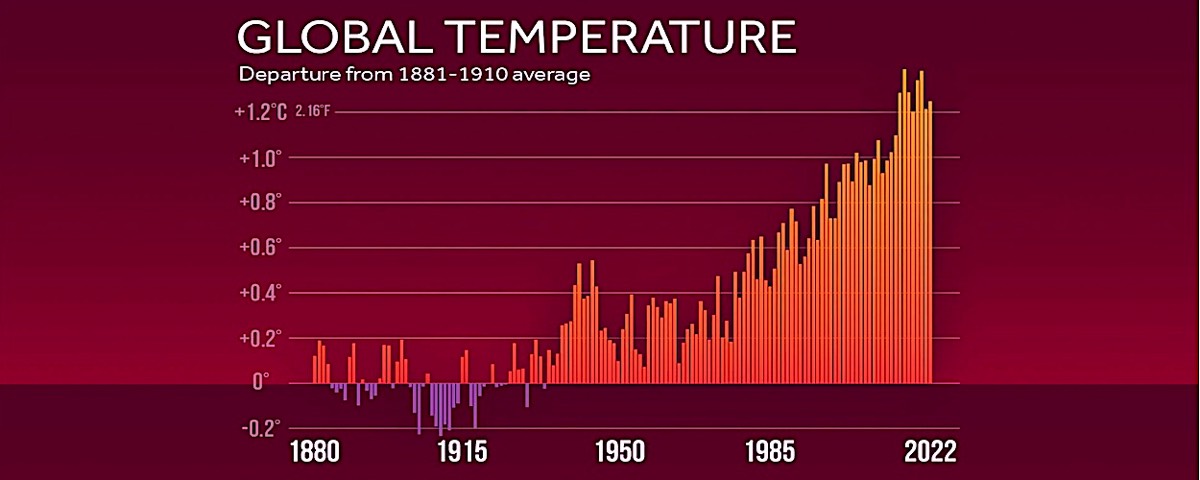
Rising Temperatures: Global average temperatures have increased by over 1.1°C (nearly 2°F) since the late 1800s, making recent decades the hottest on record.
climate.gov
💥The Greenhouse Effect:
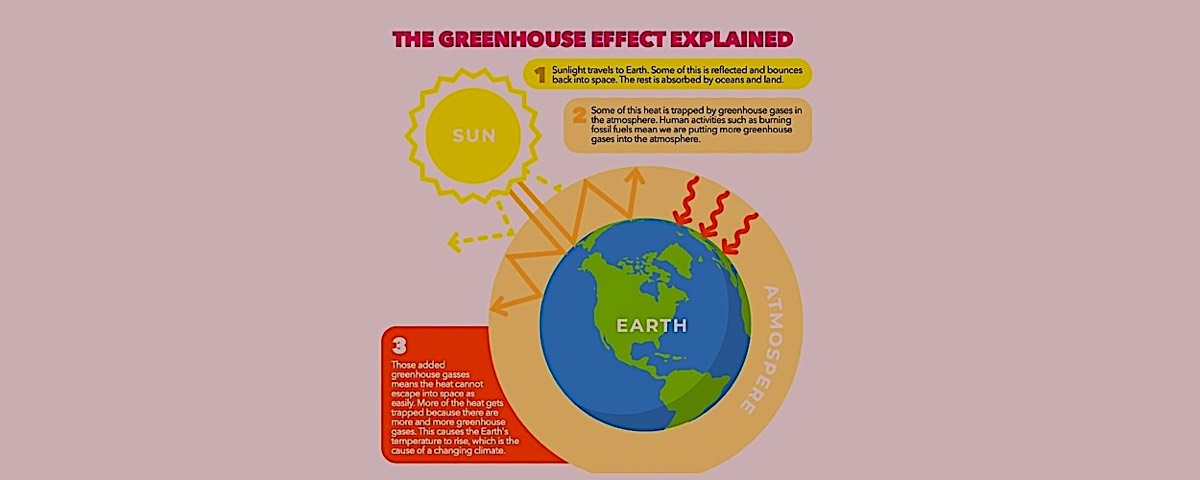
The Greenhouse Effect: some of the infrared radiation from the Sun passes through the atmosphere, but most is absorbed and re-emitted in all directions by greenhouse gas molecules and clouds. The effect of this is to warm the Earth’s surface and the lower atmosphere
bgs.ac.uk
💥Human Activities:
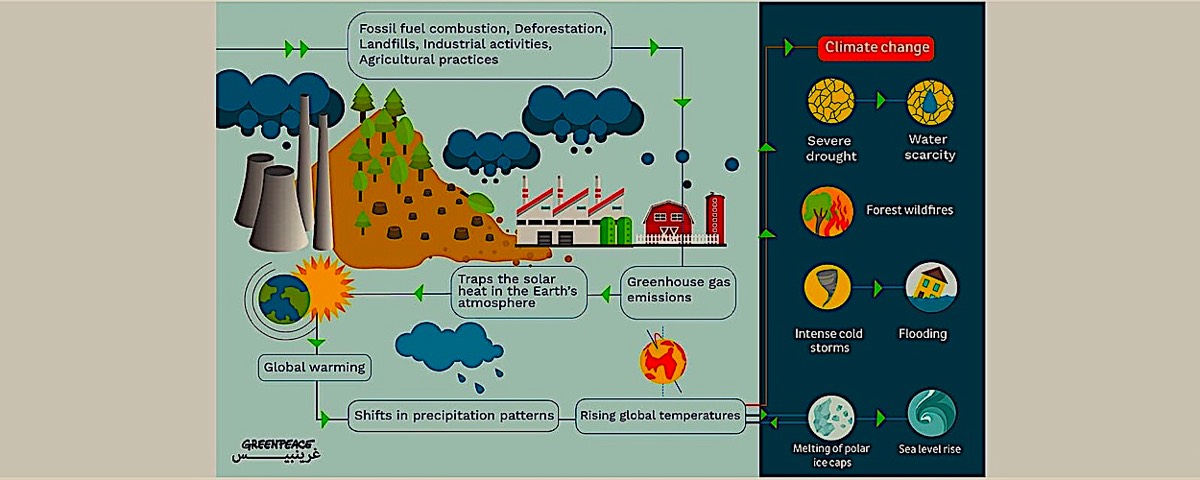
How Do We Know that Humans Are the Major Cause of Global Warming? Human Activities drive global warming primarily through the burning of fossil fuels (coal, oil, and gas), deforestation, and agriculture. These actions release greenhouse gases—such as carbon dioxide and methane—that trap heat in the atmosphere, warming the planet at an unprecedented rate.
ucs.org
💥Melting Ice and Sea Level Rise:
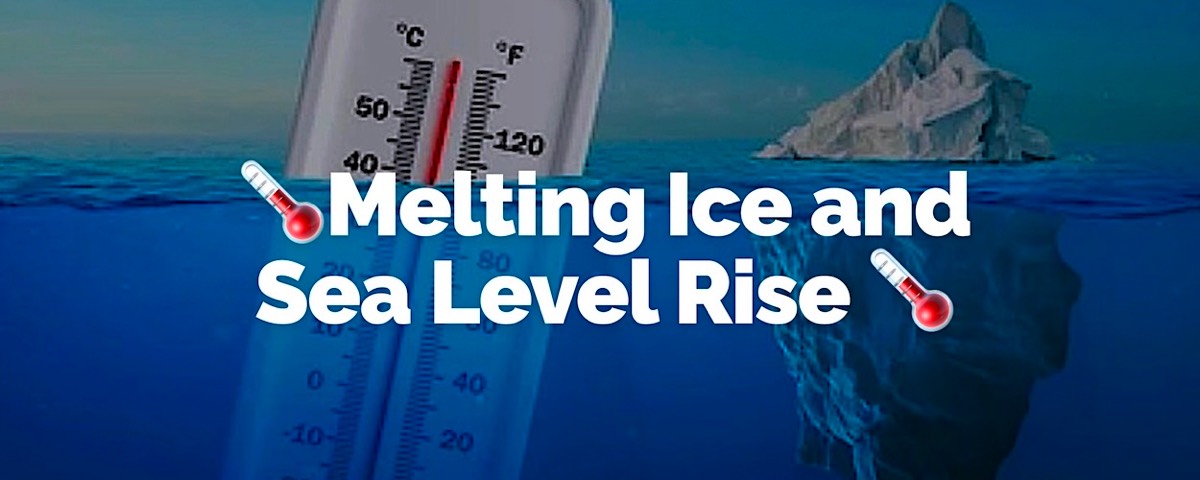
Sea ice loss coincides with other factors
NSIDC’s Sea Ice Index data show declines in sea ice extent (the area of ocean with at least 15 percent sea ice concentration) in the Northern Hemisphere in all months since the start of the satellite record in 1979. In September, the month of the Arctic annual minimum, the decline rate was 12.1 percent per decade from 1979 to 2024. Antarctic sea ice has shown a less clear long-term trend, with substantial year-to-year variability, but a string of low extents starting in 2016 tugged the long-term trend downward. In February, typically the month of the Antarctic minimum, the decline rate was 2.6 percent per decade from 1979 to 2025.
nsidc.org
💥Extreme Weather:

Extreme Weather includes Unexpected, Severe, Unusual, or Unseasonal Weather like: 🔥Heat🔥, 🌡️Droughts🌡️, 🧊Cold🧊, 🌪️Hurricanes🌪️, 💦Floods💦, Landslides.
PALACE-iConsulting.com
💥Global Climate💥

Climate change is a long-term change in the average weather patterns that have come to define Earth’s local, regional and global climates.
PALACE-iConsulting-com

We assist individuals und corporations who desire to live, to invest and conduct business International, in the Dominican Republic, Florida and Switzerland.